When sourcing orthopedic supports, procurement managers and healthcare providers often find that the shoulder brace price varies significantly based on structural rigidity, material grade, and the specific clinical objective. Whether the goal is post-surgical immobilization or athletic recovery, understanding the cost-to-performance ratio is critical for maintaining budget efficiency without compromising patient outcomes.
The market for rehabilitation aids has shifted from generic sizing toward highly adjustable, medical-grade orthotics. This evolution is driven by a need for precision in stabilization, where a slight discrepancy in fit can lead to suboptimal healing or secondary discomfort. Consequently, pricing is no longer just about the fabric used, but about the engineering behind the compression and support mechanisms.
This analysis examines the primary factors influencing the cost of shoulder supports, the technical specifications that justify premium pricing, and a framework for evaluating value in wholesale medical procurement.

Structural Determinants of Brace Costs

The primary driver of a shoulder brace's cost is the level of restriction it provides. Simple compression sleeves, which primarily offer warmth and mild swelling control, occupy the lowest price tier. In contrast, immobilizers and slings with rigid structural inserts require more complex manufacturing processes and higher-grade polymers to ensure the joint remains fixed.
Another critical cost factor is the adjustability mechanism. Braces that utilize medical-grade hook-and-loop fasteners and reinforced stitching to prevent fraying under tension are more expensive but offer the longevity required for clinical environments.
Engineering the Balance of Compression and Mobility
Effective shoulder support is not about total immobilization but controlled stability. The design logic involves creating a "stability zone" that protects the glenohumeral joint while allowing necessary movement in the scapula. This requires a precise intersection of elastic tension and rigid reinforcement, often achieved through multi-layered fabric construction.
From a technical perspective, the integration of anatomical contouring ensures that the brace does not migrate during use. This "anti-slip" engineering involves strategic placement of silicone grips or ergonomic shaping, which adds to the production cost but significantly increases the therapeutic value by maintaining consistent pressure.
When evaluating the shoulder brace price, buyers should look for "dynamic support" features. These allow the user to transition from high-restriction recovery to low-restriction mobility within the same device, effectively providing two products in one.
Material Science in Orthopedic Support
The choice of textiles directly impacts both the price and the medical efficacy of the brace. Neoprene remains a standard for heat retention and compression, but the industry is moving toward breathable, hypoallergenic meshes that reduce skin irritation during long-term wear.
Medical-grade materials must maintain their elastic modulus over thousands of cycles. The value of a high-end brace lies in its ability to resist "stretching out," ensuring that the therapeutic compression remains constant throughout the lifecycle of the product.
Furthermore, the interior lining plays a pivotal role. High-comfort padding, similar to that found in the Emergency Cervical Collar series, is often integrated into premium shoulder supports to prevent pressure sores and increase patient compliance, which is a key metric in rehabilitation success.
Comparative Value Index by Support Level
To quantify the relationship between functionality and cost, we can look at a Relative Value Index. This index measures the "utility per dollar" across different brace types. While basic sleeves have a low unit price, their utility is limited to mild injuries, whereas complex orthotics provide higher clinical utility despite a higher price point.
The following data represents a conceptual framework for how different support levels contribute to the overall cost structure based on material and design complexity.
Figure 2. Relative Cost vs. Stability Index
Procurement Scenarios and Scaling
For wholesale buyers, the shoulder brace price is heavily influenced by order volume and shipping logistics. In a typical industrial setting, a distributor evaluating a new supplier will look at the "landed cost," which includes the unit price, customs duties, and freight from ports like Tianjin or Guangzhou.
Scaling procurement requires a balance between Minimum Order Quantities (MOQ) and inventory turnover. Hebei JianHang Technology Co., Limited, for instance, manages high-volume supply abilities—up to 900,000 pieces per month for certain lines—allowing clinics to maintain lean inventories while ensuring a steady supply of essential rehabilitation tools.
The Shift Toward Modular Rehabilitation
The industry is witnessing a move away from "one-size-fits-all" models toward modular systems. This involves a base support combined with interchangeable straps or inserts that can be adjusted as the patient progresses through different stages of recovery.
This modularity reduces the need for patients to purchase multiple braces, effectively lowering the total cost of care. However, it increases the initial manufacturing complexity, as each component must be compatible and maintain a secure fit across various sizes (S, M, L).
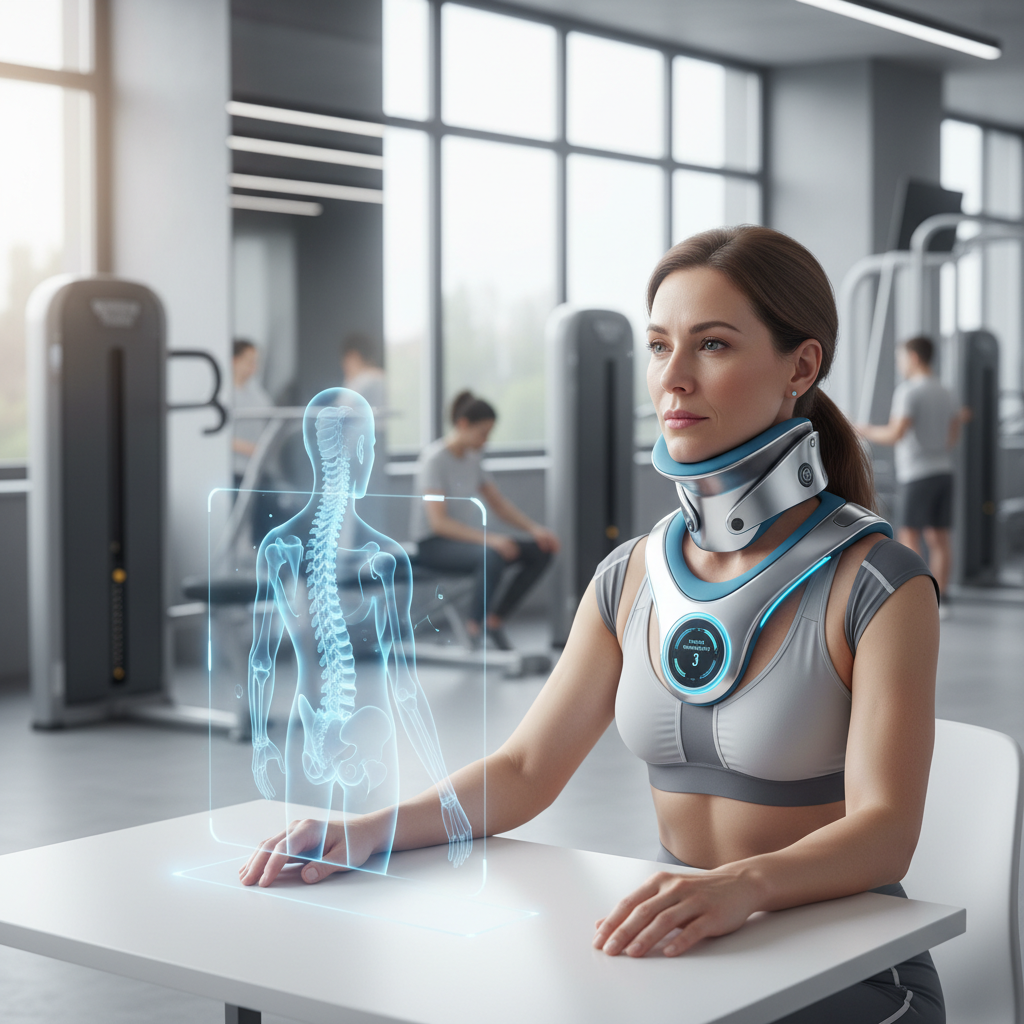
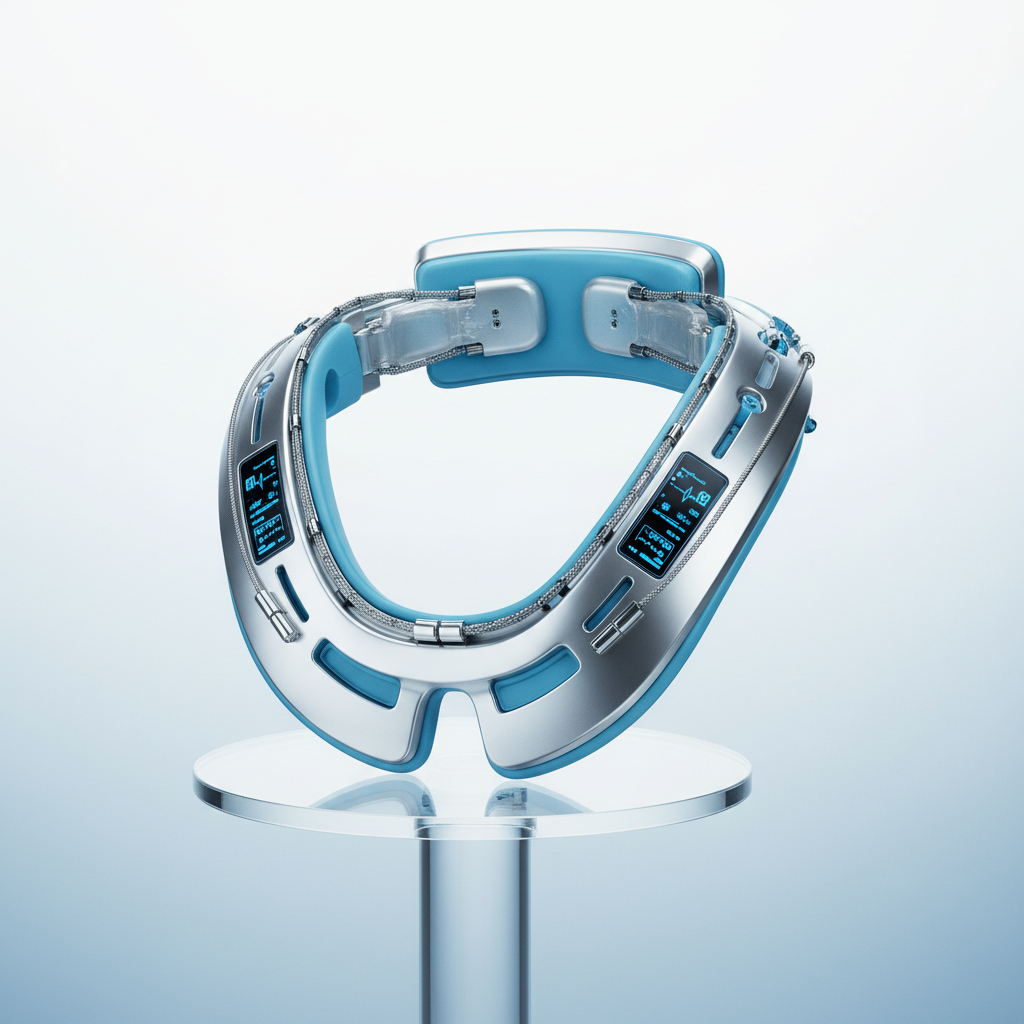
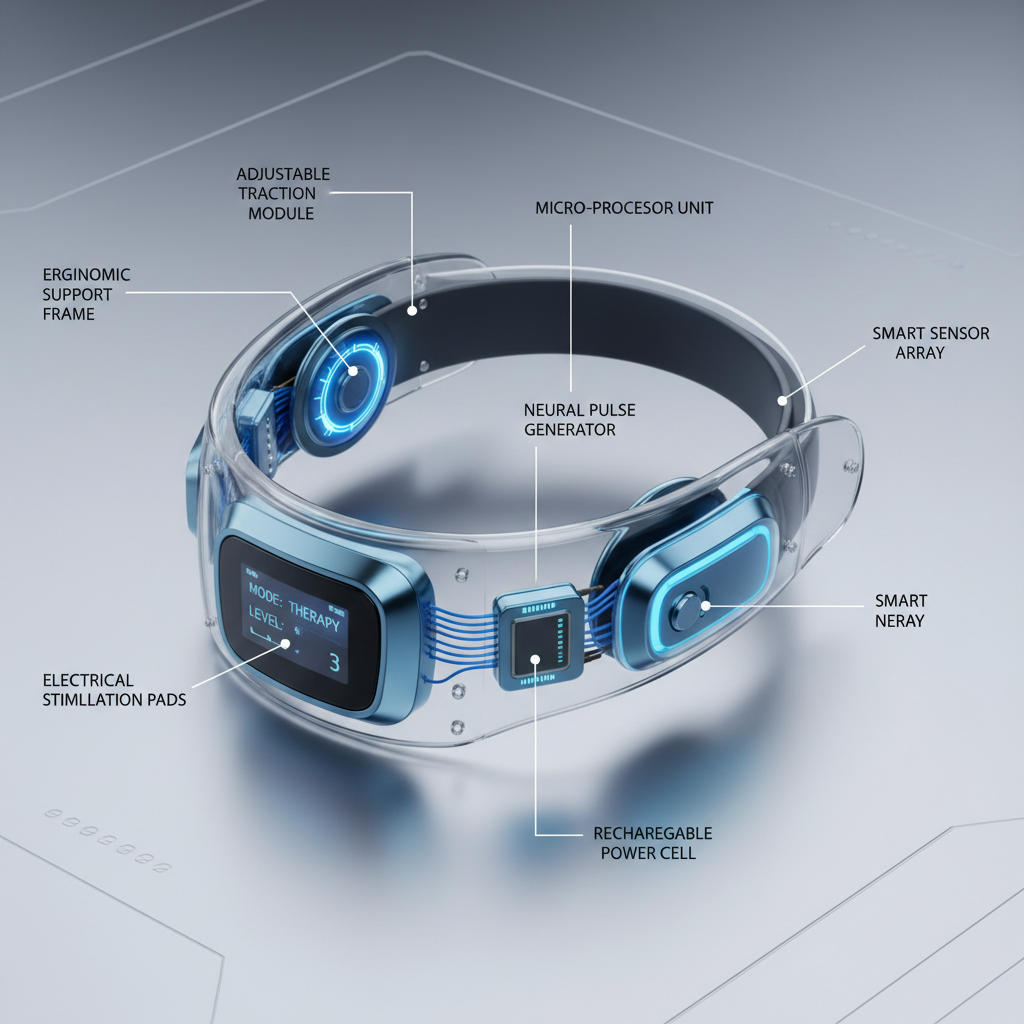
Future trends suggest an integration of "smart textiles" that can provide biometric feedback on joint angle and pressure. While currently in the high-cost niche, these technologies will eventually redefine how we perceive value in orthopedic supports.
Selection Framework for Medical Suppliers
When selecting a shoulder support manufacturer, the decision should be based on a matrix of technical requirements rather than price alone. A low-cost brace that fails to maintain tension within two weeks creates a higher long-term cost due to replacement needs and potential patient regression.
The key is to align the product's technical specifications with the intended use case. For example, a sports-oriented brace requires high breathability and sweat resistance, whereas a post-surgical brace prioritizes rigid immobilization and skin-friendly padding.
The following table provides a relative suitability framework to assist procurement officers in aligning product types with clinical needs.
| Support Type | Clinical Goal | Relative Cost | Ideal Use Case |
|---|---|---|---|
| Compression Sleeve | Edema Control | Low | Mild Strain/Sports |
| Postural Corrector | Alignment | Medium | Chronic Poor Posture |
| Dynamic Stabilizer | Controlled Motion | Medium-High | Rotator Cuff Rehab |
| Full Immobilizer | Total Fixation | High | Post-Fracture/Surgery |
| Custom Orthosis | Precision Support | Very High | Complex Deformities |
| Adjustable Sling | Weight Bearing | Medium | Acute Injury/Trauma |
Questions & Answers
Price variations are primarily driven by the level of joint restriction provided and the quality of materials. Basic compression sleeves use simple elastic blends, while immobilizers require rigid polymers, reinforced stitching, and medical-grade fasteners. Additionally, the degree of adjustability and anatomical contouring increases production complexity, thereby raising the cost.
Evaluate the "elastic modulus" and durability of the materials. A high-value brace maintains its compression levels over months of use without stretching out. Also, look for features like breathable hypoallergenic fabrics and ergonomic padding, which improve patient compliance and prevent skin breakdown, ultimately reducing the total cost of the rehabilitation process.
Yes, wholesale pricing is heavily dependent on volume (MOQ). Direct manufacturing allows for the removal of retail margins. For large-scale procurement, costs are further influenced by shipping terms (FOB/CIF) and payment methods. Suppliers with high production capacity, such as those capable of 900,000 pieces per month, can typically offer more competitive tiered pricing.
A shoulder support typically provides compression and mild stabilization to assist movement and reduce pain, often used in sports or chronic conditions. An immobilizer is designed to completely restrict joint movement to allow tissues to heal after a severe injury or surgery. Immobilizers are generally more expensive due to their rigid structural components.
In mass production, standard sizes (S, M, L) typically have a uniform price. However, highly adjustable "universal" sizes may carry a slight premium because they require more material and more complex fastening systems to ensure a secure fit across a wider range of body types.
Medical-grade materials include hypoallergenic neoprene, high-density breathable meshes, and industrial-strength hook-and-loop fasteners that meet specific tension standards. These materials are tested for biocompatibility to ensure they do not cause skin reactions during prolonged contact, which is a critical requirement for clinical use.
Final Thoughts
Navigating the shoulder brace price landscape requires a shift in focus from the initial purchase price to the total therapeutic value. By aligning the technical specifications—such as material durability, adjustability, and stability levels—with the specific clinical needs of the patient, procurement officers can optimize their budgets while enhancing recovery outcomes.
As the industry moves toward modular and smarter rehabilitation tools, the ability to source from manufacturers who combine high-volume capacity with medical-grade precision will be a decisive competitive advantage for healthcare providers and distributors worldwide.