When evaluating the soft cervical collar price, it is essential to understand that the cost reflects a balance between material quality, orthopedic support, and patient comfort. A soft cervical collar is primarily used for providing limited support to the neck, reducing muscle strain, and assisting in the recovery from minor whiplash or cervical sprains without completely immobilizing the spine.
Many healthcare providers and procurement officers struggle to find devices that offer professional-grade stabilization while remaining breathable for long-term wear. The challenge lies in selecting a product that prevents skin irritation and overheating—common issues with lower-cost foam alternatives—while maintaining a budget-friendly procurement strategy for clinics or home care.
This guide provides a comprehensive analysis of the factors influencing soft cervical collar pricing, the technical specifications of high-quality orthopedic foam and mesh, and a selection framework to help you choose the most cost-effective solution for specific rehabilitation needs.

1Understanding Soft Cervical Collar Fundamentals

A soft cervical collar is a non-rigid orthopedic device designed to support the cervical spine. Unlike rigid collars, these are typically composed of polyurethane foam or composite fabrics, allowing for a degree of movement while reminding the patient to limit extreme neck rotations. This makes them ideal for early-stage recovery or chronic pain management where complete immobilization is not clinically indicated.
The primary function of these devices is to distribute the weight of the head more evenly across the shoulders, thereby reducing the workload on the trapezius and levator scapulae muscles. This relief is critical for patients suffering from tension headaches or cervical spondylosis.
From a pricing perspective, the variation in soft cervical collar price is usually driven by the density of the foam and the quality of the fastening mechanism. Higher-end models utilize medical-grade, hypoallergenic materials that reduce the risk of contact dermatitis during prolonged use.
2Key Material Specifications and Comfort Factors
The effectiveness of a cervical support is heavily dependent on its material composition. Premium collars often incorporate a blend of breathable mesh cloth and high-density composite foam. This combination ensures that the device maintains its shape over time while allowing air circulation to prevent moisture buildup against the skin.
Velcro strap quality is another critical factor. Low-quality adhesives can lose their grip after a few weeks of daily wear, leading to a loss of support. Professional manufacturers use reinforced stitching and high-cycle Velcro to ensure a secure, customizable fit for various neck circumferences.
Furthermore, the interior lining often determines the patient's compliance. A soft, non-abrasive lining prevents chafing around the jawline and clavicle, which is essential for patients who must wear the device for 8 to 12 hours a day.
3Clinical Applications and User Scenarios
Soft cervical collars are widely deployed in diverse clinical settings. In urgent care, they are the first line of support for patients presenting with mild whiplash after automotive accidents. In outpatient physiotherapy, they are used to stabilize the neck during specific exercises or as a reminder to maintain a neutral posture during work.
For elderly patients with degenerative disc disease, a soft collar can provide the necessary comfort to reduce nocturnal pain, improving sleep quality and overall recovery rates. The versatility of these devices allows them to be used across various age groups, from adolescents with posture issues to seniors with cervical stenosis.
In corporate wellness programs, these devices are occasionally recommended for employees spending long hours in front of screens to mitigate the effects of "tech neck," providing a gentle physical cue to avoid forward head posture.
4Comparing Performance Metrics in Rehabilitation
When analyzing the soft cervical collar price versus performance, we look at a set of key metrics: stabilization efficiency, skin breathability, and longevity. While entry-level foam collars are inexpensive, they often fail in breathability and lose their structural integrity within a month of use.
Advanced composite collars demonstrate a higher "support-to-weight" ratio, meaning they provide the same level of cervical restriction with less bulk, increasing user comfort and allowing the device to be worn discreetly under clothing.
soft cervical collar price Performance Metrics
The data indicates that while the initial investment for professional-grade collars is slightly higher, the reduction in replacement frequency and the increase in patient compliance offer a better long-term value proposition for healthcare providers.
5Procurement Guidelines and Cost Optimization
For wholesalers and hospitals, optimizing the soft cervical collar price involves balancing bulk purchase discounts with strict quality control. It is recommended to evaluate suppliers based on their ability to provide consistent sizing (S to XXL) and certifications for medical-grade materials.
Total cost of ownership should consider not just the unit price, but the rate of patient returns due to discomfort. A cheaper collar that causes skin irritation leads to higher clinical overhead and dissatisfied patients, effectively increasing the real cost per successful recovery.
Effective procurement also involves selecting a supplier capable of customization, such as specific foam densities or specialized fabric linings for patients with extreme skin sensitivities.
6Future Innovations in Cervical Support
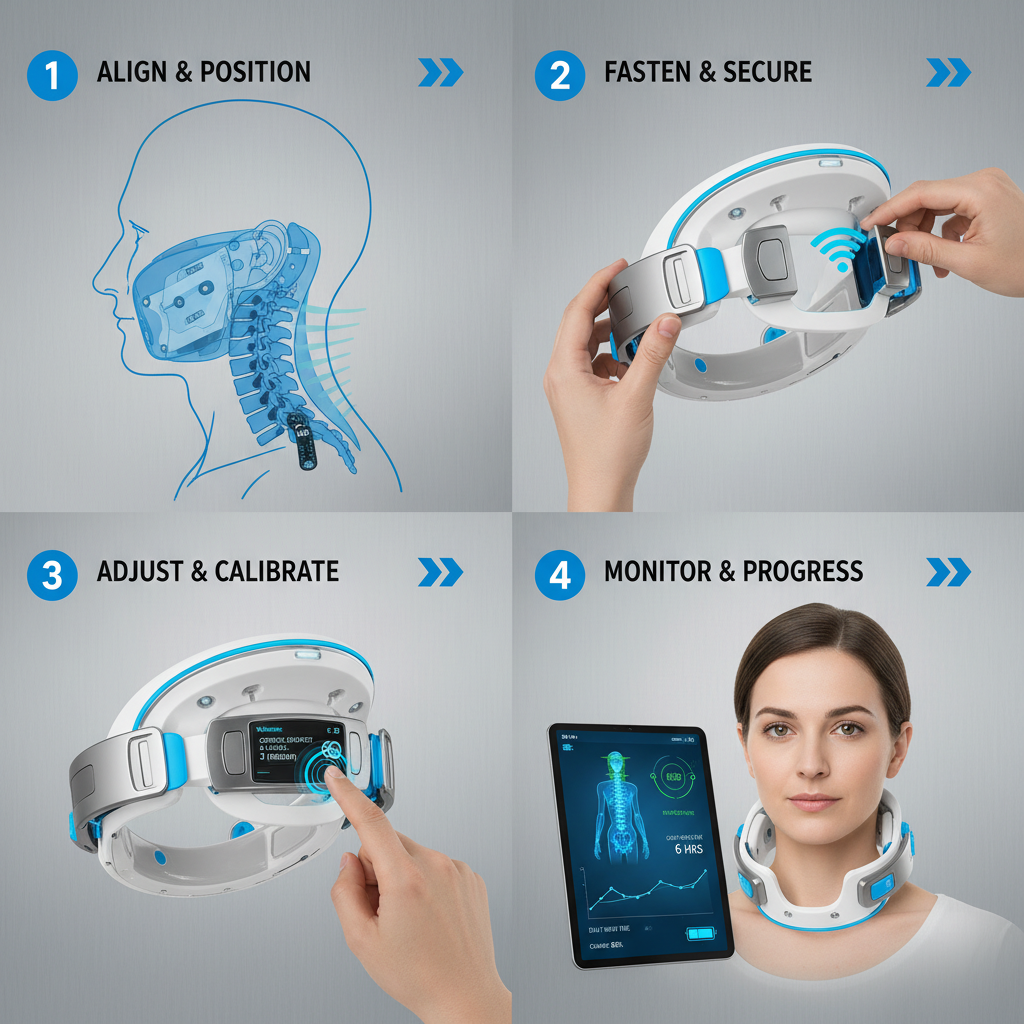
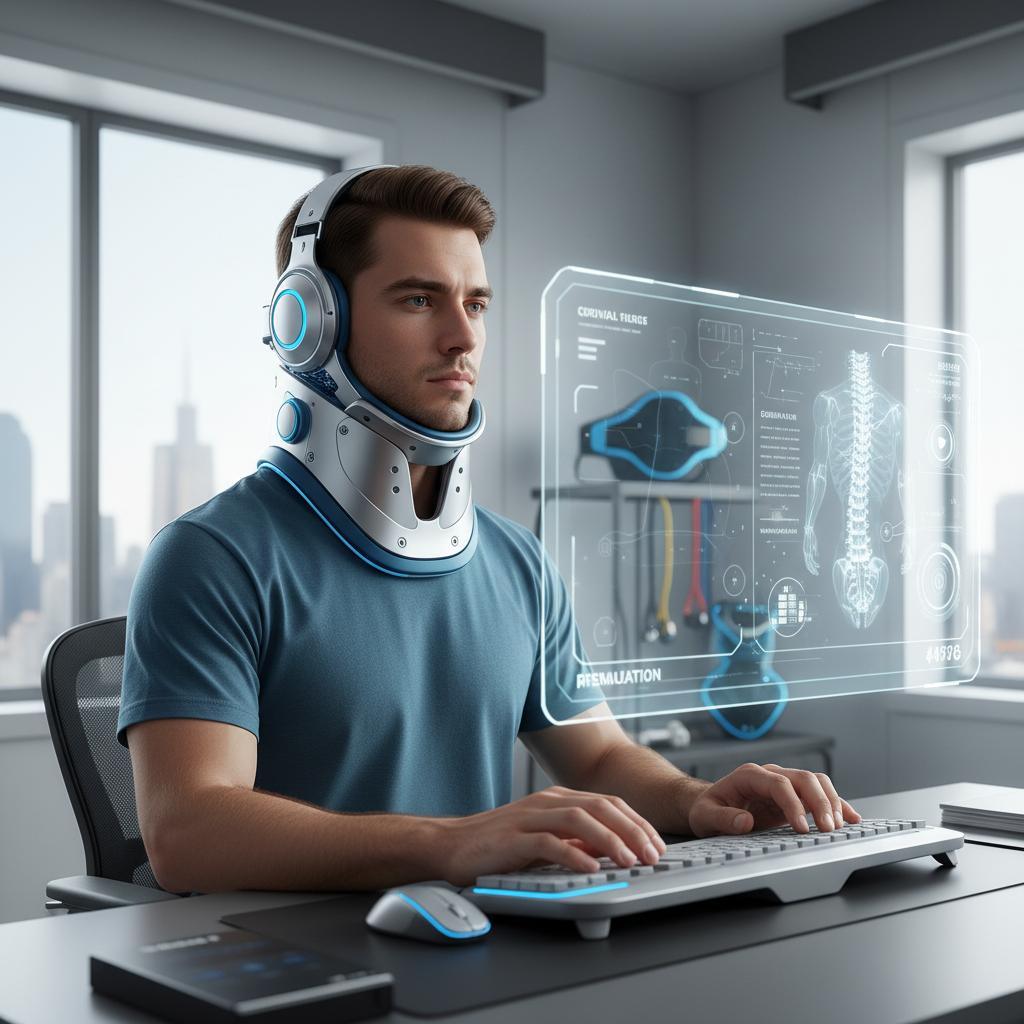
The industry is moving toward "smart" soft collars that incorporate lightweight sensors to monitor neck angle and posture in real-time. These devices can provide haptic feedback to the user when they slouch, transforming a passive support tool into an active rehabilitation device.
Material science is also evolving, with the introduction of phase-change materials (PCM) that can regulate temperature, keeping the neck cool in summer and warm in winter. This innovation addresses the primary complaint of heat retention in traditional foam collars.
We expect to see a further shift toward personalized 3D-printed inner cores that match the exact anatomy of the patient's neck, though this will likely create a new premium tier in the pricing structure.
7Selection Matrix: Soft vs. Rigid Supports
Choosing between a soft and a rigid collar depends entirely on the clinical objective. Soft collars are designed for comfort and mild support, whereas rigid collars (like the Philadelphia or Miami J) are designed for maximum immobilization to prevent spinal cord injury.
The following matrix compares these two categories across key decision dimensions to assist procurement and clinical staff in making the right choice based on patient needs and budget.
| Feature | Soft Cervical Collar | Rigid Cervical Collar | Decision Factor |
|---|---|---|---|
| Support Level | Mild/Limited | High/Total | Clinical Stability |
| Primary Use | Sprains/Strain | Fractures/Surgery | Injury Severity |
| Patient Comfort | High | Low to Medium | Wear Duration |
| Breathability | High (Mesh) | Low (Plastic) | Skin Sensitivity |
| Price Point | Economy to Mid | Premium | Budget Availability |
| Mobility | Allows Rotation | Restricts Movement | Recovery Goal |
While rigid collars are necessary for acute trauma, the soft cervical collar remains the most versatile and cost-effective tool for the vast majority of rehabilitation and pain management cases.
Frequently Asked Questions
Conclusion
Selecting a soft cervical collar requires a strategic balance between upfront cost and long-term clinical efficacy. By focusing on material breathability, foam density, and adjustable fastening, healthcare providers can ensure that patients receive optimal support while maintaining a sustainable procurement budget.
For those seeking professional-grade orthopedic solutions that meet rigorous quality standards, exploring the specialized product range at www.jhmedicalsupport.com can provide the necessary technical data to make an informed decision for your clinic or patients.