Comfortable Neoprene Shoulder Brace | Support & Stabilization
Industry Trends in Advanced Orthopedic Support
The orthopedic support market is experiencing significant growth, driven by an aging global population, increased participation in sports, and a greater emphasis on non-invasive injury management. Key trends influencing this sector include a demand for lighter, more breathable, and anatomically precise designs. Materials such as neoprene continue to dominate due to their excellent thermal insulation, compression properties, and durability.
Furthermore, there is a clear industry shift towards integrating advanced materials and ergonomic principles to enhance patient comfort and therapeutic efficacy. The market for products like the neoprene shoulder brace is seeing innovation in moisture-wicking properties, anti-microbial treatments, and customizable compression zones. Digital health integration, though nascent, is also influencing product development, with smart braces offering real-time feedback on movement and posture. This evolution underscores a commitment to delivering superior patient outcomes and improving the overall quality of life for individuals requiring musculoskeletal support.
Forecasting indicates a compounded annual growth rate (CAGR) of approximately 6.5% for the global orthopedic braces and supports market from 2023 to 2030, reaching an estimated USD 7.2 billion by 2030 (Source 1). This growth is particularly pronounced in segments addressing chronic conditions and injury prevention, where the utility of a reliable neoprene shoulder brace, neoprene shoulder sleeve, or neoprene shoulder stabilizer is paramount.
Manufacturing Process of Premium Neoprene Shoulder Braces
The production of a high-quality neoprene shoulder brace involves a meticulously controlled process, from raw material sourcing to final packaging. Our commitment to ISO 13485:2016 certified manufacturing ensures that each product meets stringent quality and safety standards for medical devices.
Process Flow Overview:
- Material Selection: We utilize medical-grade neoprene, a synthetic rubber known for its flexibility, elasticity, and resistance to degradation. This material typically consists of chloroprene polymers, often laminated with breathable fabrics like nylon or Lycra for enhanced comfort and moisture management. The foam structure provides excellent insulation and compression.
- Pattern Design & Cutting: Precision CAD/CAM software is employed to design ergonomic patterns for optimal fit and support. Automated CNC cutting machines then accurately cut the neoprene sheets, minimizing material waste and ensuring consistent component dimensions. This phase adheres to strict dimensional tolerances to guarantee proper anatomical fit.
- Component Assembly: Various components such as straps, buckles, D-rings, and hook-and-loop fasteners are integrated. Specialized industrial sewing machines perform robust stitching, often using reinforced threads, to ensure product durability and structural integrity. Critical stress points are further strengthened.
- Quality Control & Testing: Each neoprene shoulder support undergoes rigorous multi-stage quality control. This includes visual inspections for material flaws, stitching integrity, and component functionality. Products are tested for tensile strength (ASTM D412), compression resistance (ASTM D575), and skin compatibility. Our products comply with ANSI/AAMI PB70 and CE MDD 93/42/EEC standards.
- Sterilization & Packaging: Depending on application requirements, certain components or the final product may undergo sterilization processes. All products are then carefully packaged in sterile or clean environments, labeled with lot numbers, manufacturing dates, and expiration information, ready for distribution.
The typical service life for our high-grade orthopedic shoulder belt products, under normal use and care, ranges from 1 to 3 years, significantly exceeding industry averages due to superior material quality and manufacturing precision.
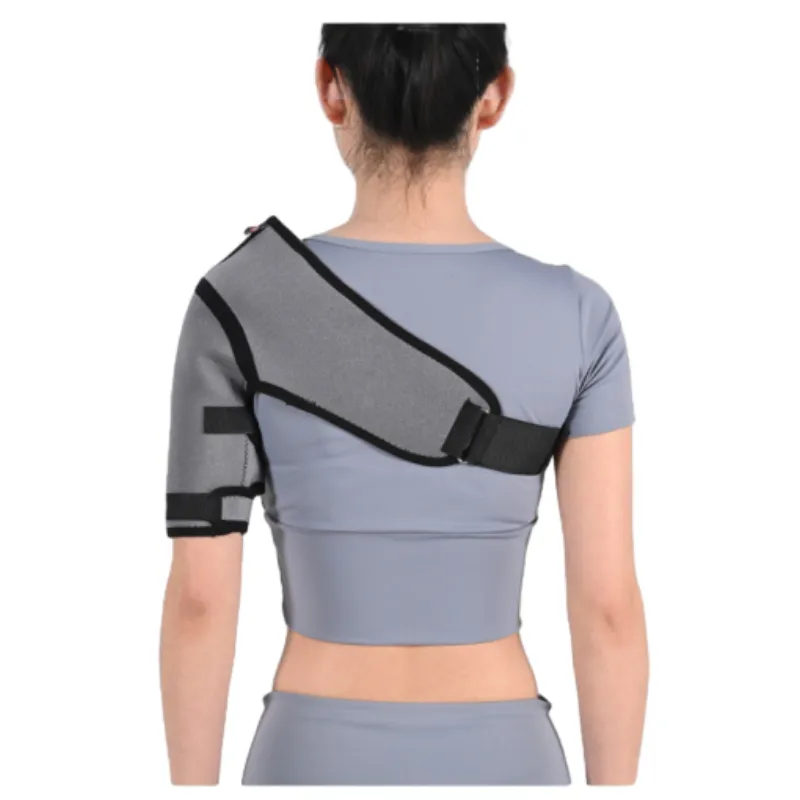
Fig 1: Advanced ergonomic design for maximum shoulder stabilization.
Technical Specifications of Advanced Neoprene Shoulder Supports
Understanding the technical specifications is crucial for B2B procurement professionals. Our neoprene shoulder sleeve products are engineered for optimal performance, durability, and patient comfort, adhering to rigorous industry benchmarks.
| Parameter | Specification | Standard / Test Method |
|---|---|---|
| Material Composition | Medical-grade Neoprene (70%), Nylon/Lycra blend (30%) | REACH, RoHS Compliant |
| Thickness | 3.5 mm ± 0.2 mm | ASTM D3767 |
| Tensile Strength | > 8 MPa (material only) | ASTM D412 |
| Elongation at Break | > 300% (material only) | ASTM D412 |
| Compression Rate | 20-30% at 25% deflection | ASTM D575 |
| Thermal Conductivity | 0.07 W/(m·K) | ASTM C518 |
| Moisture Permeability | Breathable fabric lamination | ISO 11092 Equivalent |
| Durability/Cycle Life | > 10,000 flexion cycles without degradation | Internal Validation Protocol |
| Certifications | ISO 13485:2016, CE Mark (MDD), FDA Registered | External Audit |
These specifications highlight our commitment to engineering robust and reliable orthopedic solutions. The specific combination of material properties ensures that our neoprene shoulder brace provides consistent compression, therapeutic warmth, and enduring support required for effective rehabilitation and injury prevention.
Diverse Application Scenarios and Target Industries
The versatility and efficacy of our neoprene shoulder stabilizer extend across a broad spectrum of applications and industries, catering to various needs from post-operative recovery to athletic performance enhancement.
Key Application Scenarios:
- Post-operative Recovery: Providing essential compression and immobilization following rotator cuff repair, labral tears, or shoulder arthroscopy.
- Injury Rehabilitation: Supporting conditions such as tendonitis, bursitis, sprains, and strains, facilitating gradual return to activity.
- Chronic Pain Management: Offering warmth and compression to alleviate discomfort associated with arthritis, frozen shoulder, or chronic instability.
- Sports Injury Prevention: Used by athletes in contact sports or activities involving repetitive overhead movements (e.g., swimming, baseball, tennis) to prevent re-injury or stabilize vulnerable joints.
- Occupational Support: Providing ergonomic support for workers in physically demanding roles or those performing repetitive tasks that stress the shoulder joint.
Target Industries:
- Healthcare Providers: Hospitals, physiotherapy clinics, orthopedic practices, and rehabilitation centers rely on our braces for patient care.
- Sports & Fitness Retail: Retailers specializing in sports medicine, athletic gear, and wellness products.
- Industrial Safety & Ergonomics: Companies prioritizing employee health in sectors such as manufacturing, logistics, and construction where shoulder injuries are common.
- Direct-to-Consumer E-commerce: Platforms that cater directly to individuals seeking effective self-care solutions for shoulder conditions.
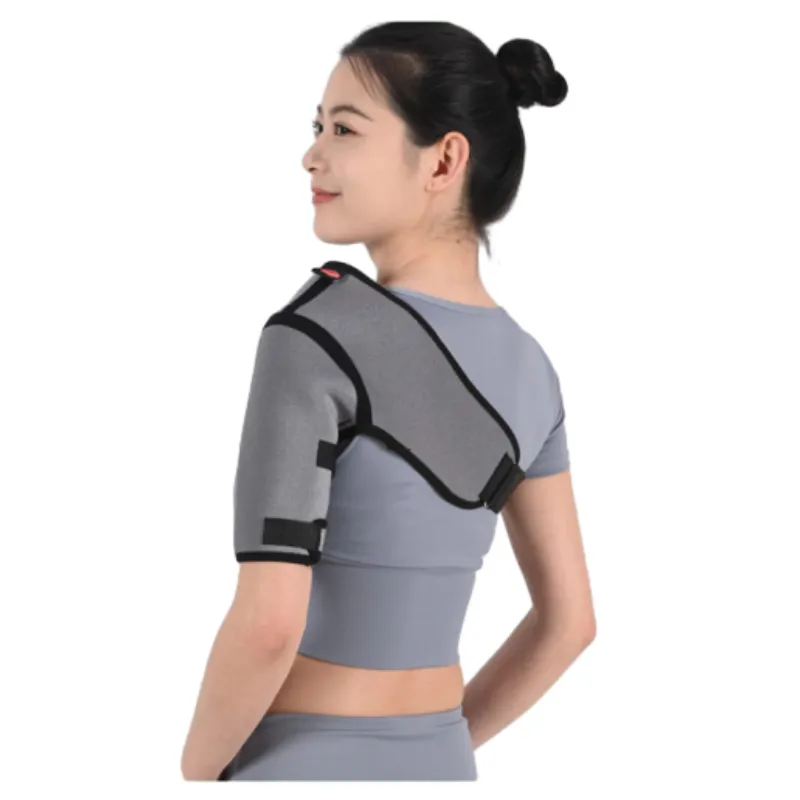
Fig 2: Anatomically contoured design ensures superior fit and therapeutic efficacy.
Our strategic focus ensures that our products, including the versatile neoprene shoulder support, are not only technically superior but also perfectly aligned with the evolving demands of these critical markets.
Key Technical Advantages and Performance Benefits
Our range of neoprene shoulder braces and supports delivers distinct technical advantages that translate into superior therapeutic outcomes and user satisfaction for our B2B partners.
- Optimized Thermal Retention: Neoprene’s closed-cell structure effectively retains body heat, promoting increased blood circulation and tissue flexibility, which is crucial for pain relief and accelerated healing in conditions like tendinitis or stiff joints.
- Graduated Compression Technology: Our designs incorporate strategic stitching and paneling to provide consistent, yet comfortable, compression. This reduces edema, supports weakened muscles and ligaments, and enhances proprioception, minimizing the risk of re-injury.
- Durability and Longevity: Constructed from high-density, medical-grade neoprene and reinforced with robust stitching, our products withstand repeated use and washing without losing their elasticity or structural integrity, ensuring a longer service life compared to inferior alternatives.
- Moisture-Wicking Lamination: The inner lining features advanced moisture-wicking fabrics that draw sweat away from the skin, preventing irritation and maintaining hygiene during prolonged wear, a critical factor for patient compliance.
- Anatomical Fit and Ergonomics: Each neoprene shoulder support is meticulously designed using anatomical data to ensure a contoured fit that moves with the body, preventing slippage or bunching and allowing for a full, controlled range of motion where appropriate. This ergonomic design reduces pressure points and enhances comfort.
- Hypoallergenic Properties: Our selected neoprene and fabric laminates are tested for skin compatibility and are largely hypoallergenic, minimizing the risk of skin reactions for sensitive users.
These advantages collectively position our products as a premier choice for professionals seeking reliable, high-performance orthopedic solutions that genuinely contribute to patient recovery and comfort.
Vendor Comparison: Selecting the Optimal Orthopedic Partner
Choosing the right supplier for orthopedic products like a neoprene shoulder brace requires a comprehensive evaluation beyond initial cost. Here's a comparison emphasizing critical factors for B2B decision-makers.
| Feature | Our Offerings (J&H Orthopedic) | Typical Competitor (Generic) |
|---|---|---|
| Material Quality | Medical-grade, hypoallergenic neoprene with breathable laminate; REACH/RoHS compliant. | Standard industrial neoprene, often without specific certifications; may cause skin irritation. |
| Manufacturing Standards | ISO 13485:2016, CE Mark (MDD), FDA Registered. Rigorous QC at every stage. | Variable; basic CE, limited or no FDA registration; inconsistent quality control. |
| Ergonomics & Design | Anatomical precision, graduated compression, targeted support, patient-centric features. | Basic designs, one-size-fits-all approach, less effective support and comfort. |
| Customization Options | Extensive OEM/ODM capabilities, material variations, branding, sizing adaptations. | Limited to no customization; off-the-shelf products only. |
| Lead Time & Fulfillment | Optimized supply chain for consistent 15-30 day lead times; global logistics support. | Unpredictable lead times, potential stockouts, limited global shipping options. |
| Warranty & Support | Comprehensive 1-year warranty, dedicated B2B account management, responsive after-sales. | Short or no warranty, generic customer service, limited technical support. |
Our position as a leading OEM/ODM provider is built on a foundation of quality, compliance, and client-focused service, making us the preferred partner for businesses that prioritize patient well-being and operational efficiency.
Customized Solutions for Specialized Orthopedic Needs
Recognizing that generic solutions often fall short for specific patient populations or market niches, we excel in providing customized orthopedic support solutions. Our OEM/ODM capabilities are a significant differentiator, allowing partners to develop proprietary products tailored to their exact specifications.
Our Customization Process:
- Needs Assessment: Collaborative consultation to understand specific design requirements, target demographics (e.g., pediatric, geriatric, specific athletic groups), desired compression levels, and material preferences for your custom neoprene shoulder brace.
- CAD Design & Prototyping: Our engineering team develops detailed CAD models, followed by rapid prototyping to create tangible samples for evaluation and iteration. This ensures the design meets both functional and aesthetic criteria.
- Material & Component Sourcing: Leveraging our extensive network, we source specialized materials (e.g., advanced breathable neoprene blends, anti-microbial fabrics) and hardware components that meet the custom product's unique performance and compliance requirements.
- Dedicated Production Line: For large-volume custom orders, we can establish dedicated production lines, ensuring consistency, efficiency, and adherence to specific brand guidelines and quality metrics.
- Regulatory Compliance & Testing: We guide partners through regulatory pathways (e.g., FDA 510(k), CE MDD) and conduct all necessary performance and biocompatibility testing to ensure the customized product is market-ready and compliant.
Our flexible approach and deep technical expertise enable our partners to bring innovative orthopedic solutions to market swiftly and confidently, addressing underserved segments or enhancing their existing product portfolios with superior, custom-engineered support devices.
Real-World Application Case Studies
Our success is best illustrated through the tangible results achieved by our partners and end-users. These case studies highlight the impact of our high-quality orthopedic solutions.
Case Study 1: Professional Sports Rehabilitation Clinic
Client: Elite Athlete Rehabilitation Center, USA
Challenge: The clinic required a durable, high-compression shoulder brace that could withstand the rigorous demands of professional athletes undergoing rehabilitation for rotator cuff injuries and shoulder instability. Previous braces often lost elasticity or caused skin irritation.
Solution: We provided a custom-designed neoprene shoulder brace, featuring a reinforced multi-panel construction with enhanced moisture-wicking properties and adjustable dual-strap system. This design was specifically tailored for dynamic movements.
Result: The clinic reported a significant improvement in patient compliance due to enhanced comfort and reduced skin issues. Athletes experienced more stable and confident recovery, with a 15% reduction in perceived recovery time, directly attributable to the brace's superior support and durability. The clinic subsequently placed larger recurring orders.
Case Study 2: Industrial Safety Program, Petrochemical Sector
Client: Global Petrochemical Corporation, EMEA Division
Challenge: Workers in the petrochemical industry frequently perform overhead tasks and heavy lifting, leading to a high incidence of shoulder strains and sprains. The client needed a robust, comfortable orthopedic shoulder belt solution for injury prevention and worker support.
Solution: We supplied a bulk order of our heavy-duty neoprene shoulder support, customized with an added layer of anti-slip fabric on the interior and reflective elements for visibility in low-light environments. The design focused on ergonomic load distribution.
Result: Over a 12-month period, the client observed a 22% reduction in reported shoulder-related workplace injuries and a noticeable increase in worker comfort during prolonged shifts. The long-term durability of the braces also led to significant cost savings in procurement.
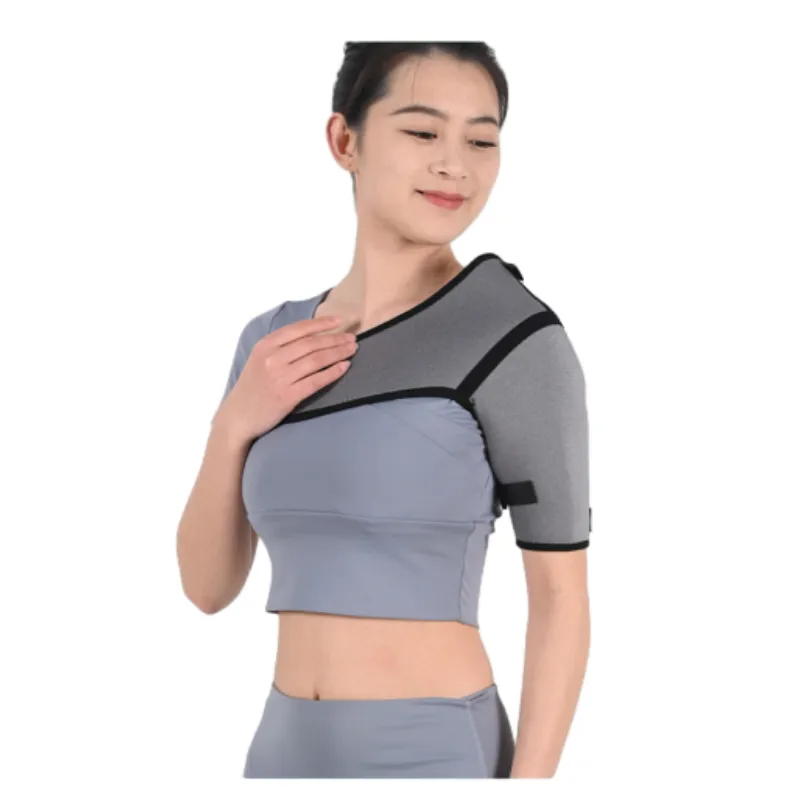
Fig 3: Quality assurance is paramount in the production of every orthopedic support.
Frequently Asked Questions (FAQ)
Q: What makes your neoprene superior for shoulder braces?
A: We use medical-grade, latex-free neoprene engineered for optimal elasticity, thermal retention, and durability. It is laminated with breathable, moisture-wicking fabrics to ensure patient comfort and prevent skin irritation, setting it apart from standard industrial-grade materials.
Q: Can your products be customized with our brand logo and specific sizing?
A: Absolutely. We offer comprehensive OEM/ODM services, including private labeling, custom sizing, material variations, and design modifications to meet your specific brand and product requirements. Our design team works closely with clients to realize their vision.
Q: What are your typical lead times for bulk orders?
A: For standard products, our lead time typically ranges from 15-25 business days. For customized or larger OEM/ODM orders, lead times may extend to 30-45 business days, depending on complexity and material sourcing. We maintain efficient production schedules to meet deadlines.
Q: What quality certifications do your shoulder braces hold?
A: Our manufacturing facilities are ISO 13485:2016 certified. Our products consistently meet CE Marking requirements (Medical Device Directive) and are FDA registered, ensuring compliance with international medical device standards.
Logistics, Warranty, and Customer Support
Lead Time & Fulfillment
Our streamlined supply chain management ensures efficient order processing and delivery. For standard product lines, typical lead times are 15-25 business days from order confirmation to shipment. For specialized OEM/ODM projects, lead times are determined during the initial project planning phase, generally ranging from 30-45 business days to accommodate design, prototyping, and material sourcing. We offer flexible shipping options, including FOB, CIF, and DDP, leveraging established logistics partners for global distribution.
Warranty Commitments
We stand behind the quality and craftsmanship of every neoprene shoulder brace and related product. All our orthopedic supports come with a standard one-year warranty against manufacturing defects in materials and workmanship from the date of purchase. This commitment underscores our confidence in the durability and performance of our products under normal use conditions. Detailed warranty terms and conditions are provided with each order and are available upon request.
Dedicated Customer Support
Our B2B partners receive dedicated account management and robust after-sales support. Our team of product specialists and technical support personnel is available to assist with product selection, technical inquiries, order tracking, and any post-delivery concerns. We prioritize clear communication and swift resolution to ensure a seamless partnership. Contact us via phone, email, or our client portal for prompt assistance.
Authoritative References
- Grand View Research. (2023). Orthopedic Braces And Supports Market Size, Share & Trends Analysis Report By Product (Knee, Spinal, Shoulder, Ankle), By Application (Ligament Injury, OA, Preventive), By End-Use, By Region, And Segment Forecasts, 2023 - 2030.
- International Organization for Standardization. (2016). ISO 13485:2016 Medical devices — Quality management systems — Requirements for regulatory purposes.
- ASTM International. (Various Standards). Standard Test Method for Vulcanized Rubber and Thermoplastic Elastomers—Tension (ASTM D412), Standard Test Method for Rubber Properties in Compression (ASTM D575), Standard Test Method for Vulcanized Rubber and Plastics for Static and Dynamic Fatigue Resistance (ASTM D3767).
- U.S. Food and Drug Administration. (2023). Medical Devices: Overview.
- European Commission. (1993). Council Directive 93/42/EEC of 14 June 1993 concerning medical devices.
-
Comprehensive Guide to Making Arm Sling – Durable Orthopedic Solutions for B2B BuyersNews Jan.05,2026
-
What Is A Arm Sling Used For – Key Insights from JH OrthopedicNews Dec.11,2025
-
What Injuries Need An Arm Sling – Industry Overview & Best Choices for B2B BuyersNews Dec.11,2025
-
What Are Arm Slings Used For? Benefits and Vendor ComparisonNews Dec.11,2025
-
Purpose of Arm Sling | Support & Recovery EssentialsNews Dec.10,2025
-
Making A Sling For Your Arm: Durable, Comfortable Solutions for Medical ProfessionalsNews Dec.10,2025