
Market Intelligence
The Rehabilitation Device Landscape in Egypt
Analyzing the intersection of healthcare demand and supply chain logistics in North Africa.
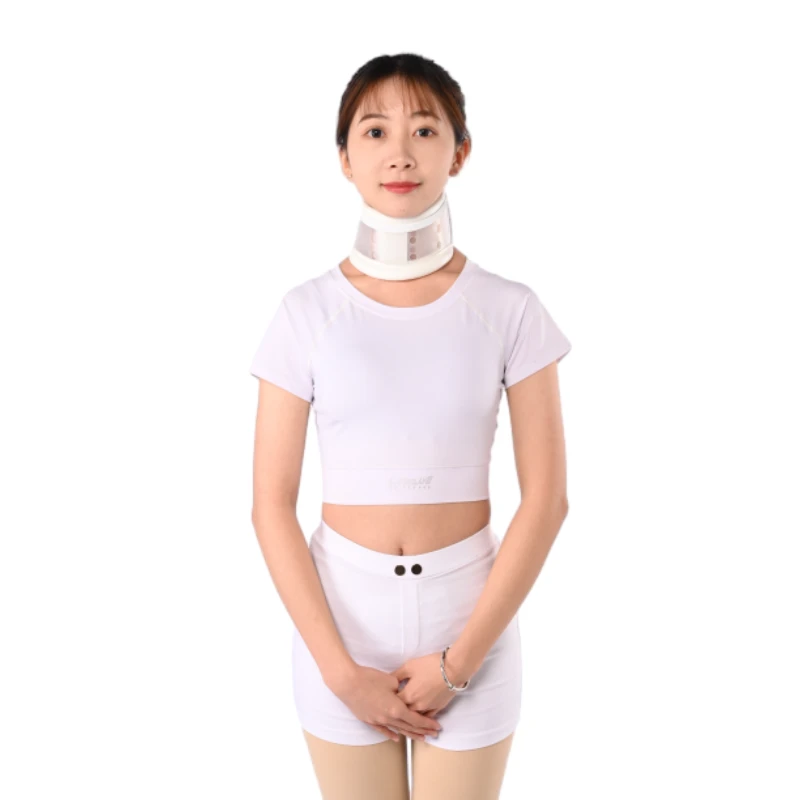
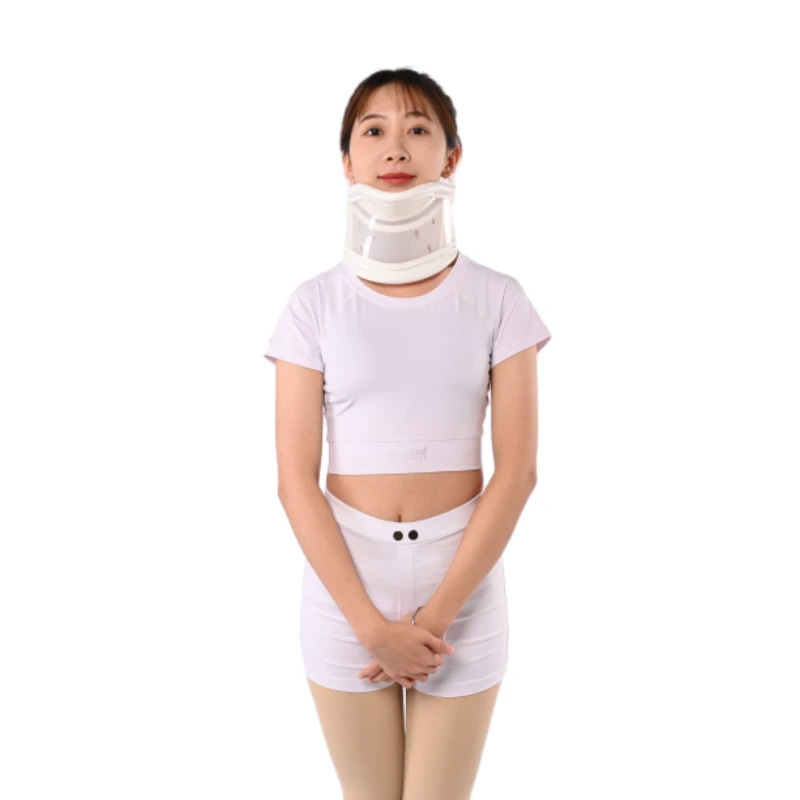
The Egyptian medical device market is characterized by a strong reliance on imports for specialized orthopedic and rehabilitation equipment. As the population grows and the prevalence of chronic musculoskeletal conditions increases, the demand for high-quality immobilizers and supports has surged. Hospitals and rehabilitation centers in Cairo and Alexandria are increasingly seeking partnerships with direct manufacturers to bypass regional distributors and reduce procurement costs. This environment necessitates a supply chain that can handle large-scale shipments while maintaining strict quality standards for critical devices like the orthopedic neck collar.
Current market trends indicate a shift toward "preventative orthopedics," where sports support braces are no longer reserved for professional athletes but are used by a broader active population. There is a growing preference for lightweight, semi-rigid materials over traditional heavy casts, driving the adoption of advanced cervical neck band designs. Furthermore, the integration of telemedicine has led to a rise in home-based rehabilitation, increasing the demand for user-friendly, adjustable braces that patients can apply independently without constant clinical supervision.
Despite the opportunity, the market faces constraints related to currency fluctuations and stringent import regulations. The outlook remains positive as the Egyptian government continues to invest in healthcare infrastructure and universal health insurance schemes. For international manufacturers, the key to success lies in providing "value-engineered" products—devices that offer medical-grade efficacy without the prohibitive cost of European luxury brands. The opportunity exists in bridging the gap between low-quality generics and overpriced premium imports through scalable, certified manufacturing.
Industry Evolution
The Progression of Rehabilitation Support Technology
From rigid immobilization to dynamic, biocompatible recovery systems.
Early Phase
Rigid Immobilization
Traditional orthopedics relied heavily on plaster casts and heavy metal frames, providing total immobilization but causing muscle atrophy and skin complications.
Adoption Phase
Synthetic Transition
The introduction of neoprene and thermoplastic foams allowed for the first generation of adjustable collars and braces, improving patient comfort significantly.
Current Phase
Dynamic Support
Modern systems focus on "controlled mobility," utilizing semi-rigid materials and anatomical mapping to support recovery while maintaining joint flexibility.
Material Bio-Compatibility
The industry has evolved from simple plastics to medical-grade polymers and hypoallergenic fabrics. This shift is critical for patients in warm climates like Egypt, where skin sensitivity is heightened during long-term use of orthotic devices.
Precision Anatomical Mapping
Advanced CAD/CAM design now allows manufacturers to create supports based on aggregated population data, ensuring that a "standard" size actually fits a wide variety of human frames with minimal adjustment.
Hybrid Support Systems
The emergence of hybrid braces—combining rigid stabilizers with flexible compression fabrics—has revolutionized the treatment of sprains and fractures by providing both stability and circulatory support.
Future Outlook
Emerging Trends in Global Rehabilitation Manufacturing
How technology and patient needs are reshaping the design of orthopedic supports.
Smart-Material Integration
The transition toward "intelligent" fabrics that can adjust compression levels based on temperature or swelling, reducing the need for frequent manual adjustments by the patient.
Eco-Friendly Polymers
Increasing demand for biodegradable or recyclable medical plastics to reduce the environmental impact of single-use or short-term orthopedic disposables in large hospital systems.
Direct-to-Patient Logistics
A rise in e-commerce for medical supports, requiring manufacturers to optimize packaging for individual shipping while ensuring the device remains structurally sound.
Modular Orthotic Systems
Designing supports with interchangeable inserts that allow a single brace to transition from high-rigidity (acute phase) to low-rigidity (recovery phase).
The convergence of additive manufacturing (3D printing) and medical-grade polymers is beginning to influence mass-production lines. While fully custom 3D-printed braces are currently expensive, the logic of "zonal support"—where different areas of a brace have different densities—is being integrated into molded products. This allows for maximum stability at the joint center and maximum flexibility at the edges, significantly improving patient compliance.
Furthermore, there is a growing emphasis on the psychological aspect of rehabilitation. Modern designs are moving away from the "medical white" aesthetic toward more neutral, skin-tone, or athletic colors. This reduce the stigma associated with wearing a cervical collar or wrist support in public, which in turn encourages patients to adhere more strictly to their prescribed wearing schedules, accelerating the overall healing process.
Practical Application
Deployment Scenarios in Egyptian Healthcare
How our orthopedic solutions are applied across different medical environments in Egypt.
01
Acute Trauma Stabilization in Cairo Public Hospitals
In high-volume emergency departments, rapid stabilization of cervical spines is critical. Using our semi rigid collar allows medical staff to quickly immobilize patients after road traffic accidents. The secure fastening mechanism ensures that the patient remains stable during transport to imaging units, while the breathable foam prevents skin breakdown during the initial critical hours of care.
02
Post-Surgical Recovery in Private Alexandria Clinics
Following wrist surgery, patients require precise immobilization that doesn't compromise blood flow. Our wrist support thumb devices are deployed to prevent unwanted joint rotation. The high-density padding protects the surgical site from external pressure, while the adjustable straps allow the clinician to modify the compression as post-operative swelling subsides.
03
Chronic Pain Management in Regional Wellness Centers
Patients suffering from degenerative disc disease in rural provinces often require long-term, intermittent use of a cervical neck band. Because these users often live in non-air-conditioned environments, our moisture-wicking textiles are essential. The lightweight design allows the user to maintain a degree of mobility for daily activities while receiving the necessary structural support to reduce nerve compression.
04
Sports Injury Rehabilitation for Egyptian Athletic Clubs
Athletes recovering from ligament sprains require supports that can be worn under athletic gear. Our low-profile joint stabilizers provide the necessary mechanical limit to prevent re-injury during phased return-to-play protocols. The durable outer shell resists wear and tear from frequent movement, ensuring the brace maintains its structural integrity throughout the rehab cycle.
05
Occupational Health Support for Industrial Workers
In Egypt's manufacturing zones, repetitive strain injuries are common. Companies provide our ergonomic wrist and thumb supports to workers in assembly lines. By limiting extreme joint deviation during repetitive tasks, these supports reduce the incidence of carpal tunnel syndrome and tendonitis, leading to fewer sick days and improved worker productivity.
Industry Perspectives
Representative Use Case Analysis
Illustrative outcomes based on typical orthopedic deployment patterns in the region.
The transition to direct manufacturer sourcing for cervical collars has significantly reduced our procurement cycle. The breathable materials are particularly well-suited for our patients in Cairo, where heat-related skin irritation was previously a major complaint with older, non-perforated models.
Implementing semi-rigid supports for post-operative wrist care has improved patient compliance. The ability to adjust the compression levels without replacing the entire brace allows us to tailor the recovery process to the individual's healing rate, which is essential for complex orthopedic surgeries.
For wholesale distribution in North Africa, reliability and certification are the primary drivers. Having a partner that provides full documentation and consistent quality across bulk shipments of thumb and wrist supports allows us to maintain trust with our network of pharmacy clients.
Our Legacy
Hebei JianHang Technology: Engineering Recovery
A commitment to enhancing quality of life through precision orthopedic solutions.
Founding Phase
Establishment of Manufacturing Excellence
Established as a premier manufacturer and exporter in China, Hebei JianHang Technology began with a mission to integrate industrial precision with medical-grade rehabilitation needs, specializing in high-quality orthopedic supports.
Expansion Phase
Diversification of Product Portfolio
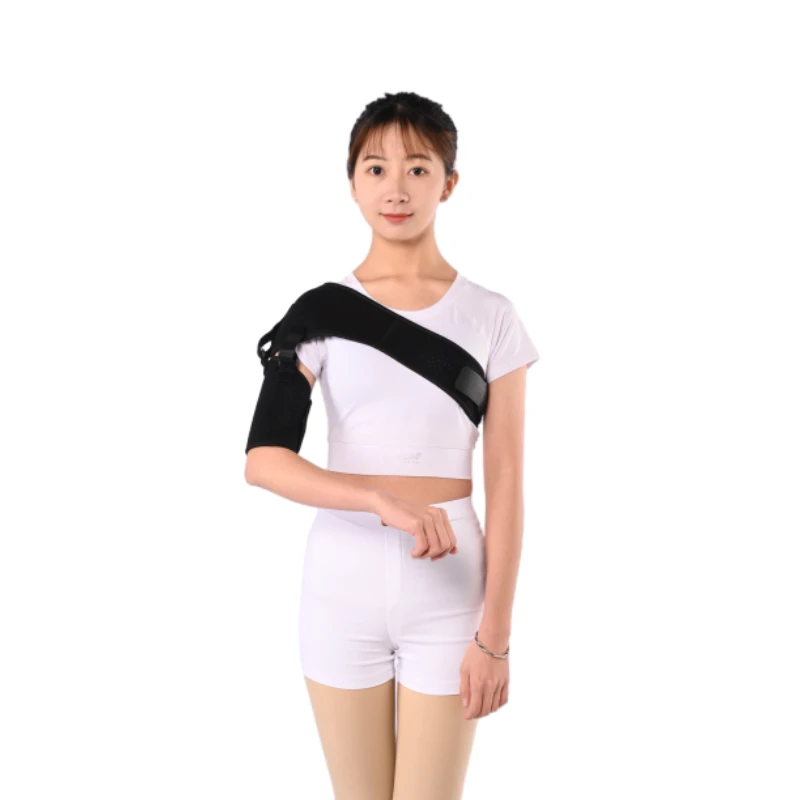
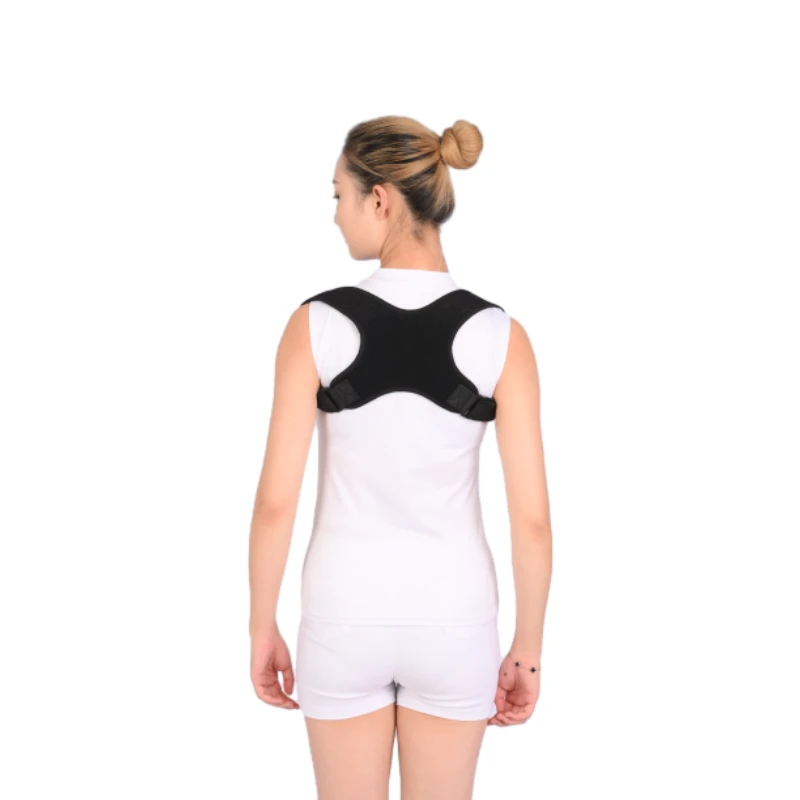
Expanded the product range to include a comprehensive suite of devices, including cervical collars, shoulder supports, posture correctors, and advanced walking aids, catering to both professional hospitals and personal use.
Current Phase
Global Partnership Network
Now serving a diverse global clientele including rehabilitation centers, sports teams, and wholesalers, focusing on customized solutions that ensure optimal performance and patient satisfaction worldwide.


Frequently Asked Questions
Orthopedic Support Technical Guide
Clear answers to common procurement and clinical questions regarding our device range.
What is the primary difference between a semi rigid collar and a soft cervical neck band?
The primary difference lies in the level of immobilization and the intended clinical use. A semi rigid collar provides significant structural support to limit neck movement and is typically used for acute injuries or post-surgical stability. A soft cervical neck band is designed for mild support, pain relief, and proprioceptive feedback. In practical application, the semi rigid version prevents dangerous spinal flexion and extension, whereas the soft band is more suitable for chronic strain or long-term comfort during rehabilitation.
How does the material choice in your wrist support thumb braces affect long-term patient compliance?
Compliance is heavily influenced by skin breathability and ease of use. By using medical-grade, perforated synthetic fabrics, we reduce the risk of dermatitis and overheating, which are common reasons patients stop wearing their braces. Additionally, the integration of high-grade Velcro straps allows for easy one-handed application. When a brace is comfortable and easy to put on, patients are significantly more likely to adhere to the prescribed wearing schedule, leading to faster recovery of the thumb and wrist joints.
Can these orthopedic products be customized for specific hospital requirements in Egypt?
Yes, we offer comprehensive customization services to meet specific clinical protocols. This includes modifying the density of the internal foam, changing the outer textile material for different climate needs, and adjusting the structural dimensions of the brace. We work closely with our clients to provide OEM solutions that align with the specific anatomical data or surgical requirements of their patient population, ensuring the final product delivers the exact level of stability required by the attending physician.
What are the logistical considerations for importing bulk rehabilitation equipment to Egypt?
The main considerations are regulatory compliance, certification validation, and shipping efficiency. All our products come with the necessary international certifications to facilitate smooth customs clearance. We utilize optimized packaging to maximize container space, which reduces the shipping cost per unit. For Egyptian wholesalers, we recommend coordinating the import schedule to align with regional demand cycles, ensuring a consistent supply of essential items like cervical collars without incurring excessive warehousing costs.
How should a semi rigid collar be maintained to ensure its structural integrity over time?
Maintenance should focus on cleanliness and avoiding extreme heat exposure. The removable fabric liners should be hand-washed with mild detergent to remove skin oils and sweat without damaging the fibers. The rigid plastic components should be wiped with a damp cloth and avoided from direct prolonged exposure to high-intensity UV rays, which can eventually make some plastics brittle. Ensuring that the straps are free of debris will also maintain the tension and stability of the immobilization system.
What is the first step for an Egyptian distributor to start a partnership with Hebei JianHang?
The first step is to define your specific product requirements and volume needs. We recommend contacting us via our official inquiry channel with a list of the specific devices you require—such as cervical collars or wrist supports—and any customization needs. Once the requirements are clear, we can provide a detailed quote and send a sample batch for clinical evaluation. This allows your medical team to verify the material quality and anatomical fit before committing to a large-scale wholesale order.
Partner with Experts
Optimize Your Rehabilitation Supply Chain in Egypt
Whether you are managing a large-scale hospital in Cairo or distributing specialized orthopedic supports across North Africa, Hebei JianHang provides the manufacturing scale and technical precision you need. Our team is ready to discuss your custom requirements for cervical collars and joint braces to ensure your patients receive world-class stability and comfort.
Discuss Your Requirements