
Regional Analysis
The Landscape of Orthopedic Care in Kenya
An examination of the demand and infrastructure for rehabilitation devices in East Africa.
The healthcare sector in Kenya is experiencing a transition toward more specialized rehabilitative care. With a growing urban population in cities like Nairobi and Kisumu, there is an increased incidence of musculoskeletal injuries resulting from both industrial accidents and road traffic incidents. Consequently, the demand for immobilization devices such as the cervical collar has surged. Local hospitals are shifting away from makeshift supports toward standardized, medical-grade orthoses that provide predictable clinical outcomes.
Current market trends indicate a strong preference for "hybrid" supports—those that combine rigidity for stabilization with soft materials for patient compliance. In the Kenyan climate, breathability is a primary driver for product selection. Distributors are increasingly seeking partners who can provide lightweight yet durable materials. Furthermore, there is a growing movement toward outpatient rehabilitation, which has increased the retail demand for home-use supports, including wrist support thumb braces for repetitive strain injuries.
Despite the growth, the market remains constrained by a reliance on high-cost imports. This creates a significant opportunity for manufacturers who can balance high clinical standards with cost-effective pricing. The outlook for the Kenyan rehabilitation market is positive, with expected growth driven by expanded health insurance coverage and the establishment of more specialized physiotherapy clinics. The key to success in this region lies in providing a comprehensive product range that can be easily distributed across both urban and rural healthcare networks.
Industry Progress
Evolution of Rehabilitation Supports
Tracing the development from basic immobilization to advanced orthopedic engineering.
Early Phase
Basic Immobilization
Initial supports relied on rigid plaster or basic fabric wraps. These provided stabilization but lacked breathability and caused significant skin irritation for patients.
Growth Phase
Material Diversification
Introduction of neoprene and foam-padded supports. This era focused on improving patient comfort and introducing adjustable Velcro straps for a better fit.
Current Phase
Clinical Optimization
Modern supports utilize medical-grade composites and anatomical contouring. Focus has shifted to precise immobilization without compromising blood flow or skin integrity.
Shift to Semi-Rigid Systems
The industry has moved toward semi-rigid structures that allow for controlled movement while preventing harmful rotations, significantly speeding up the rehabilitation process compared to total immobilization.
Integration of Breathable Textiles
Advanced 3D-mesh fabrics are now standard, reducing moisture buildup and skin maceration, which is critical for patients in warmer climates like East Africa.
Anatomical Precision Engineering
Using biometric data to design supports that follow the natural curves of the human body, reducing pressure points and improving long-term patient compliance during recovery.
Future Outlook
Emerging Trends in Orthopedic Manufacturing
Analyzing the technological and operational shifts shaping the global rehabilitation market.
Eco-Friendly Medical Polymers
There is a rising demand for biodegradable or recyclable materials in single-use or short-term supports to reduce the medical waste footprint in developing healthcare systems.
Patient-Centric Customization
Moving away from "one size fits all" toward modular support systems that can be adjusted by the clinician to match specific injury patterns and patient anatomy.
Digital Supply Chain Integration
Wholesalers are adopting real-time inventory tracking to prevent stockouts of critical items like cervical collars, ensuring patients receive support immediately after injury.
Hyper-Breathable Fabric Tech
The development of moisture-wicking, antimicrobial fabrics is becoming a competitive necessity to reduce skin infections in humid tropical environments.
The convergence of material science and clinical data is leading to the creation of "smart" supports. While fully integrated sensors are still emerging, the current trend is the use of high-performance polymers that provide variable compression. This allows for the transition from rigid immobilization to dynamic support without requiring a completely different device, which is highly beneficial for the cost-sensitive Kenyan market where patients may not be able to afford multiple support stages.
Furthermore, there is a strategic shift in the operational model of orthopedic supply. Instead of fragmented imports, there is a move toward strategic partnerships between global manufacturers and local Kenyan medical distributors. This model ensures that the technical specifications of the products—such as the rigidity of a semi rigid collar—are aligned with the actual clinical protocols practiced in regional hospitals, ensuring higher safety and efficacy.
Practical Applications
Clinical Application Scenarios in Kenya
How our orthopedic solutions are deployed across different healthcare environments.
01
Nairobi Emergency Trauma Centers: Rapid Cervical Stabilization
In high-volume trauma centers in Nairobi, immediate stabilization is critical for road accident victims. Using our professional cervical collars, medical teams can quickly secure the neck, preventing secondary spinal cord injuries during transport to the ICU. The secure fastening system allows for rapid application even in high-stress emergency environments, ensuring patient safety during the golden hour of trauma care.
02
Mombasa Coastal Clinics: Breathable Wrist Support
In the humid coastal climate of Mombasa, patients with carpal tunnel or wrist sprains often struggle with sweat-induced skin irritation from standard braces. Our wrist support thumb options utilize advanced moisture-wicking fabric. This allows patients to maintain the necessary immobilization for healing while preventing dermatitis, significantly improving long-term wearer compliance in tropical conditions.
03
Regional Rehabilitation Centers: Semi-Rigid Neck Care
For patients recovering from cervical disc herniation in regional clinics, a semi rigid collar is often required to limit motion while allowing some functional movement. Our supports provide the precise balance of rigidity and flexibility. This prevents muscle atrophy associated with total immobilization while ensuring the spine remains protected during the healing process, accelerating the patient's return to work.
04
Private Physiotherapy Practices: Post-Surgical Cervical Banding
In private clinics, physiotherapy patients often require a lightweight cervical neck band for mild support during the late stages of recovery. Our soft-foam bands provide the necessary proprioceptive reminder to maintain posture without being overly restrictive. This enables the therapist to gradually reintroduce movement while the patient feels secure, facilitating a smoother transition to full activity.
05
Corporate Health Programs: Ergonomic Posture Support
With the rise of office-based work in Kenyan urban hubs, repetitive strain and "tech-neck" are becoming common. Our posture correctors and light cervical supports are used in workplace wellness programs. By providing a physical correction to slouching, these devices reduce chronic neck pain and headaches, improving employee productivity and reducing the long-term burden on the local healthcare system.
Case Insights
Representative Application Contexts
Illustrative scenarios demonstrating the impact of professional orthopedic supports.
In a typical high-volume trauma center, the priority is rapid stabilization. The use of medical-grade cervical collars has shown a clear advantage in ensuring that patients are properly immobilized during the critical transition from the ambulance to the surgical suite, reducing the risk of secondary injury.
For patients in tropical coastal regions, the switch to breathable wrist supports has markedly increased compliance. When the material allows for air circulation and moisture wicking, patients are far less likely to remove the brace prematurely, leading to better clinical outcomes for wrist injuries.
Implementing a standardized range of semi-rigid and soft collars allows clinics to provide a progressive recovery path. Starting with rigid support and transitioning to a neck band ensures that the patient's neck is protected while gradually regaining the strength and range of motion required.
About Us
Hebei JianHang Technology
A dedicated manufacturer of professional orthopedic and rehabilitation solutions.
Foundational Focus
Establishing Orthopedic Excellence
Hebei JianHang Technology established itself as a premier manufacturer and exporter in China, specializing in the development of rehabilitation medical devices and sports support braces to enhance the quality of life for individuals globally.
Portfolio Expansion
Comprehensive Support Range
Expanded the product line to include a full spectrum of care, from cervical collars and shoulder supports to walking aids and wheelchairs, ensuring that healthcare professionals have access to a complete rehabilitation toolkit.
Market Integration
Global Partnership Growth
Developed trusted partnerships with hospitals, rehabilitation centers, and wholesalers worldwide, building a reputation for reliability and the ability to customize solutions for specific clinical requirements.
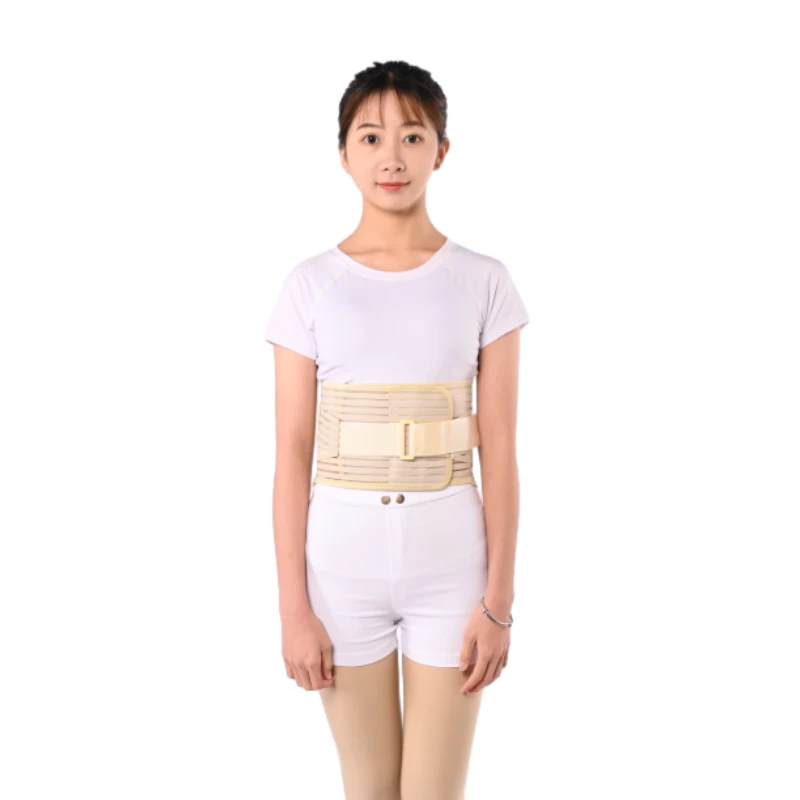
Elastic Back Support Belt

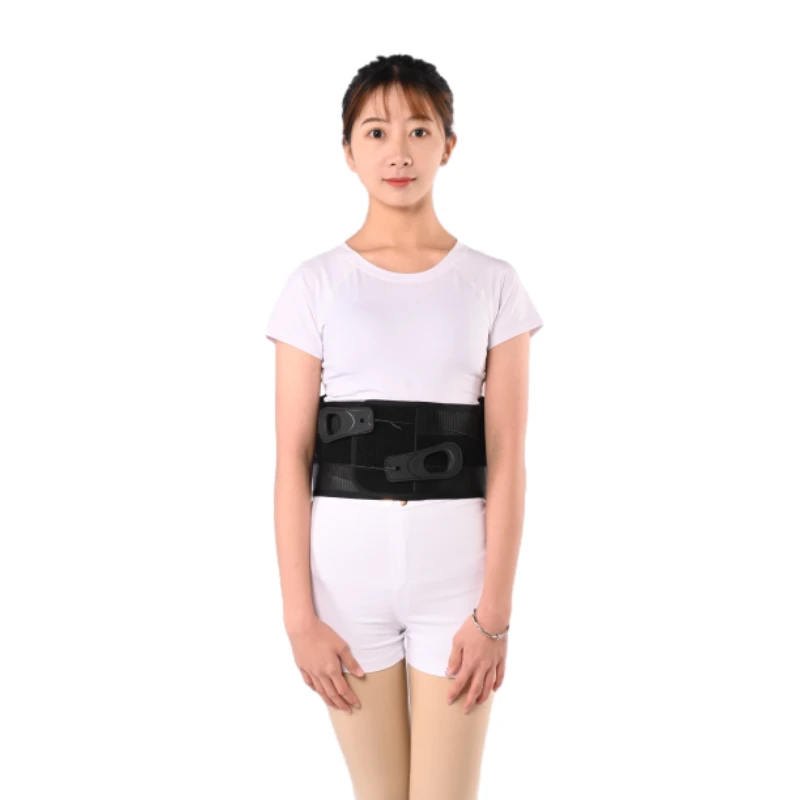
Long type Thoracolumbar Sacral Orthosis
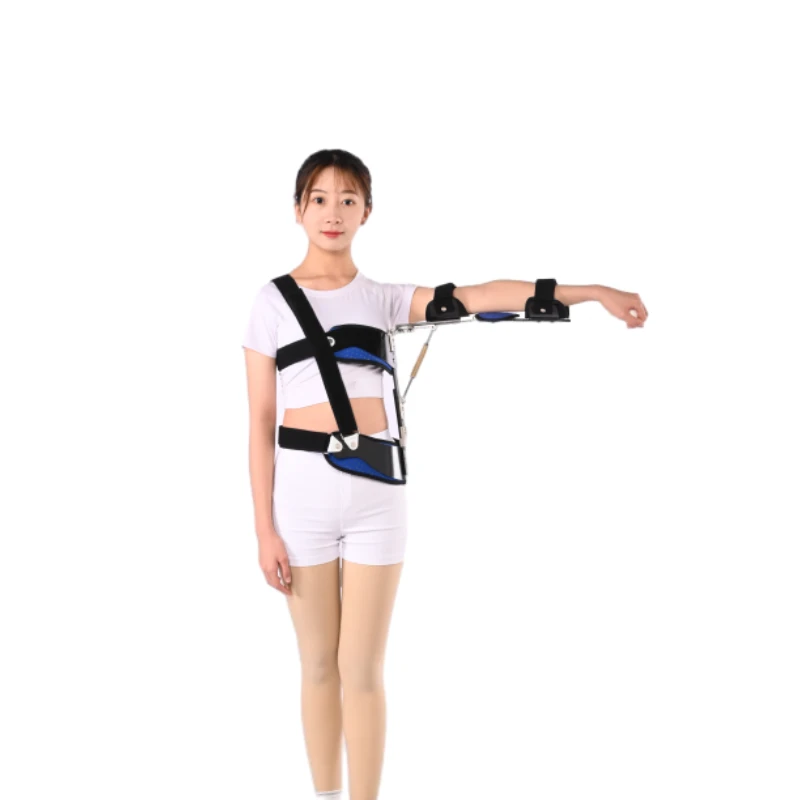
Shoulder Abduction Orthosis
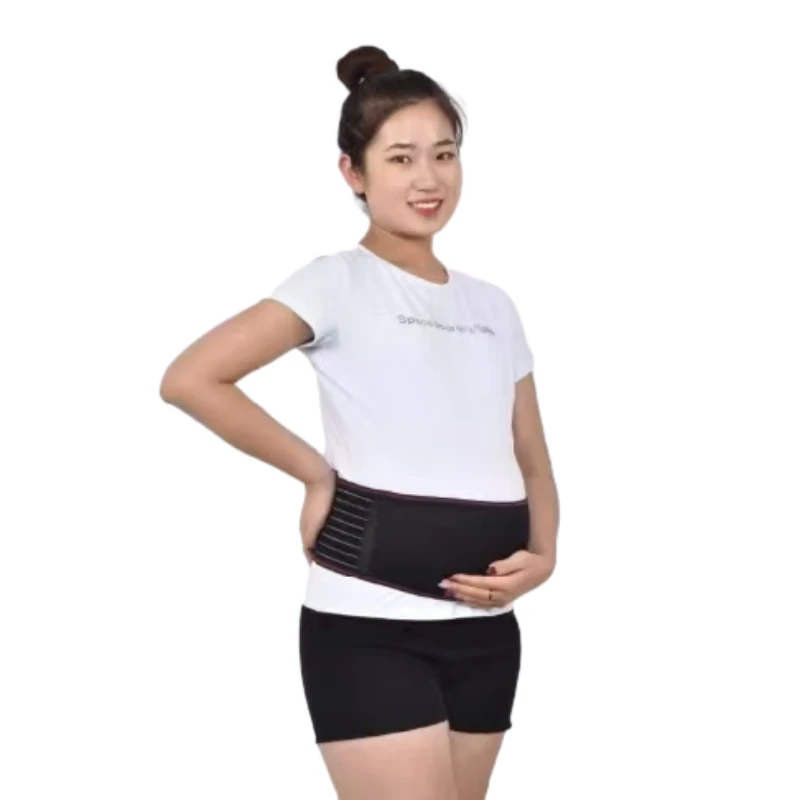
Pregnancy Belly Support
Support Center
Common Questions on Orthopedic Supports
Expert answers to help you select the right rehabilitation equipment for your needs.
What is the main difference between a soft cervical neck band and a semi rigid collar?
The primary difference lies in the level of immobilization. A soft cervical neck band provides mild support and a proprioceptive reminder to maintain posture, making it suitable for late-stage recovery or mild strain. In contrast, a semi rigid collar provides significant limitation of motion to protect the cervical spine during acute injury or post-surgery. The choice depends on the severity of the injury and the specific clinical goal—whether it is total stability or guided mobility.
How can wholesalers in Kenya ensure the durability of supports in humid climates?
Durability in humid environments depends on the choice of materials. We recommend selecting supports that utilize high-density, moisture-wicking 3D mesh and antimicrobial polymers. These materials prevent the fabric from absorbing excessive moisture, which otherwise leads to premature degradation and skin irritation. Additionally, choosing supports with reinforced stitching and high-grade Velcro ensures that the structural integrity is maintained even with frequent use in tropical conditions.
Can these orthopedic supports be customized for specific hospital branding or sizing?
Yes, we specialize in providing customized solutions to meet specific client requirements. This includes adjusting the sizing parameters to better fit local patient demographics or implementing custom branding for large hospital networks and wholesalers. By coordinating the technical specifications during the order process, we ensure that the final product aligns with both the clinical needs of the healthcare provider and the brand identity of the distributor.
What are the key factors to consider when selecting a wrist support thumb brace?
When selecting a wrist support thumb brace, evaluate three main factors: the level of immobilization required (rigid vs. flexible), the breathability of the material, and the ease of adjustment. For acute sprains, a rigid splint is necessary; for chronic tendonitis, a semi-rigid support may be better. Ensure the brace has an anatomical thumb cutout to prevent irritation and a secure strap system that prevents the brace from shifting during movement, which is essential for effective healing.
How do we manage the logistics and lead times for large orders shipped to Kenya?
To optimize lead times, we recommend a strategic ordering cycle. Because we are a direct manufacturer, we can offer streamlined production. We suggest that wholesalers maintain a safety stock of high-turnover items like cervical collars while placing quarterly bulk orders for specialized equipment. We work with experienced freight forwarders to ensure efficient transit to Nairobi or Mombasa, providing full documentation to facilitate smooth customs clearance and reduce delivery delays.
What is the recommended process for transitioning a patient from a rigid collar to a soft band?
The transition should always be clinician-led. Typically, the process begins with a rigid collar for total immobilization. As the tissue heals, the patient may move to a semi-rigid collar to allow limited, controlled movement. Finally, a soft cervical neck band is introduced to provide light support and postural guidance. This gradual reduction in support prevents sudden strain on the healing vertebrae and allows the neck muscles to regain strength without risking re-injury.
Partner With Us
Upgrade Your Orthopedic Supply Chain in Kenya
Whether you are a hospital administrator in Nairobi, a rehabilitation center manager, or a medical wholesaler, Hebei JianHang Technology provides the reliability and quality your patients deserve. Discover how our professional range of cervical and wrist supports can improve clinical outcomes across Kenya. Contact us today to discuss your specific volume requirements and customization options.
Discuss Your Requirements