

The healthcare sector in Yemen faces significant challenges in accessing consistent, high-standard rehabilitation equipment. There is a growing requirement for reliable immobilization devices, particularly for trauma care and post-surgical recovery, where stability is paramount for patient outcomes.
Logistical complexities and environmental conditions in the region necessitate medical devices that are not only effective but also durable and easy to transport. Local clinics and hospitals prioritize procurement of supports that can withstand frequent use while maintaining anatomical integrity.
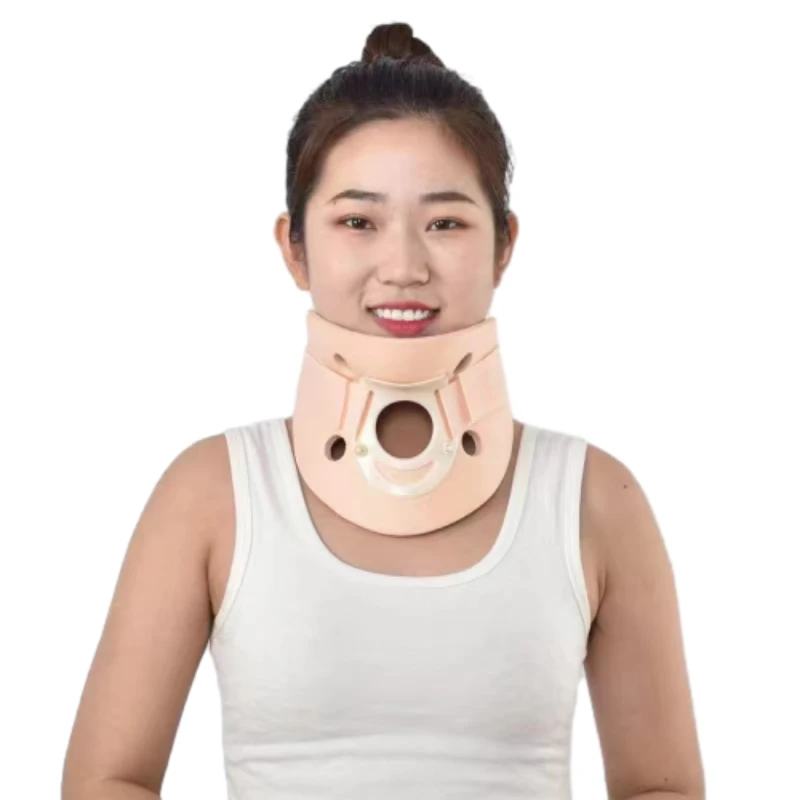
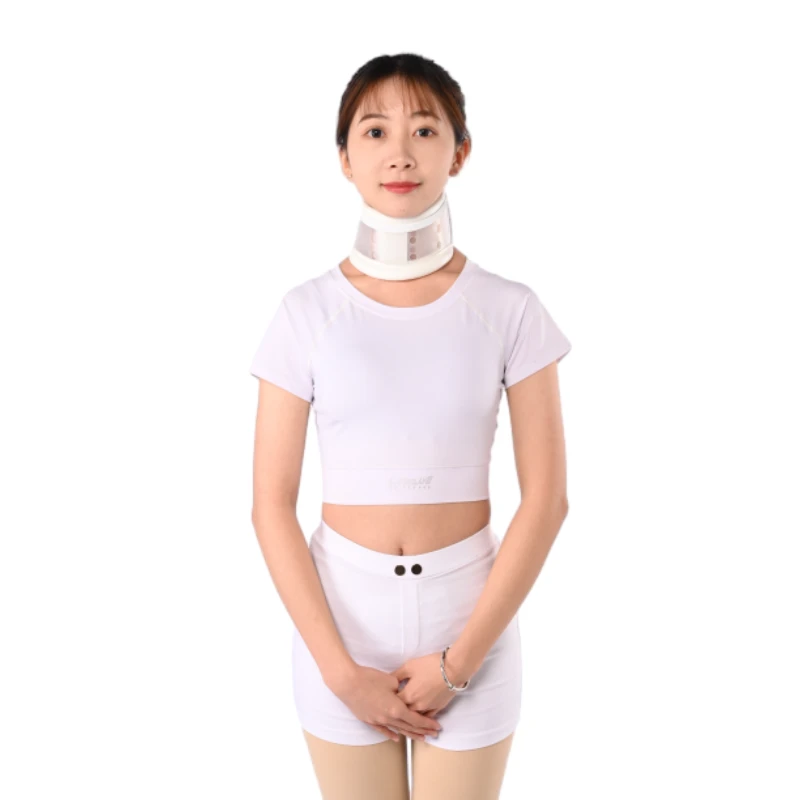
A primary pain point for local practitioners is the gap between basic support and professional-grade stabilization. The need for a semi rigid collar that balances patient comfort with strict immobilization is increasingly evident in urban medical centers.